
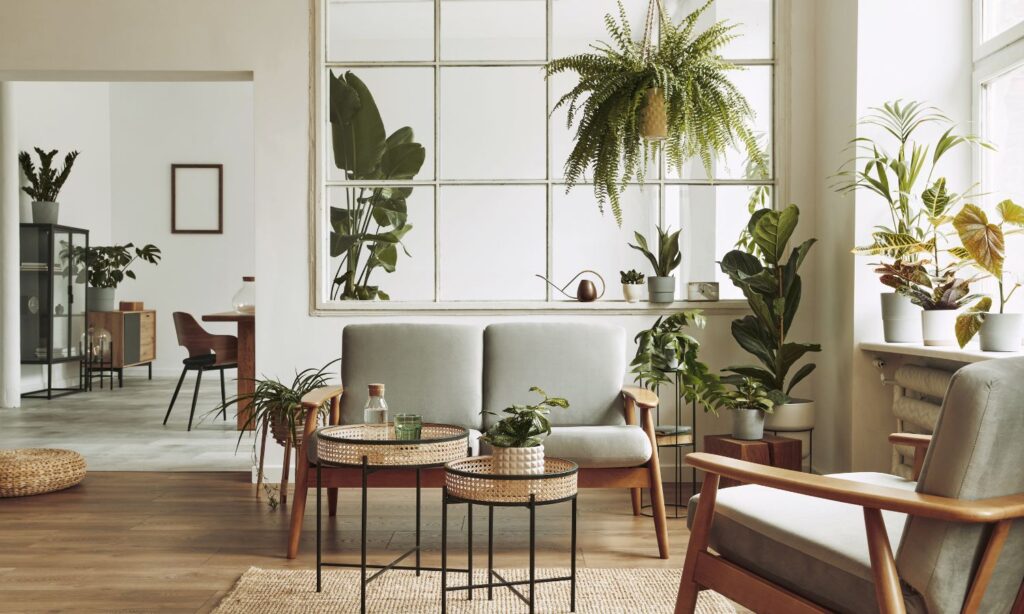
Hello, dear home sellers and aspiring real estate moguls! So, you’re ready to put your house on the market and want to make a dazzling first impression, right? Well, you’ve come to the right place. As a seasoned real estate agent, I’ve seen it all—the good, the bad, and the absolutely cringe-worthy. Let me share some key staging mistakes to avoid when selling your home because you definitely don’t want to make these blunders.
Over-Personalizing the Space
Do you have that wall of family photos from every vacation you’ve ever taken? I hate to break it to you, but potential buyers don’t want to see it. When I first started out, I thought a “lived-in” feel would make a home more appealing. I was wrong! Buyers need to envision themselves in the space, and your personal memorabilia can be a major distraction.
Over-personalizing your space is one of the most common staging mistakes. Buyers aren’t interested in your life story—they want to imagine creating their own. Pack away those knick-knacks and replace them with neutral, elegant decor that suggests possibilities for the new owners. This simple step can help buyers focus on the house itself rather than on your personal life.
In addition to removing personal items, consider a fresh coat of paint in neutral tones like beige or gray. Neutral colors create a soothing and versatile backdrop that appeals to a wider range of tastes. They allow buyers to see the space as a blank canvas they can customize. Remember, the goal is to help buyers visualize themselves living in the home, not to showcase your unique style.
Ignoring Curb Appeal
First impressions matter—whether it’s judging a book by its cover or a house by its exterior. How many times have you driven by a home and made a snap judgment based on its curb appeal? Buyers do the same. If your front yard looks like a jungle and your paint is peeling, that “For Sale” sign might as well read “Keep Driving.”
Ignoring curb appeal is a critical staging mistake. The exterior of your home is the first thing buyers see, and it sets the tone for the rest of their visit. Invest some time and resources into landscaping, repainting, and even replacing that old mailbox if needed. A well-maintained exterior invites buyers in and creates a positive first impression.
Simple improvements like mowing the lawn, planting colorful flowers, and power washing the driveway can make a big difference. If your budget allows, consider repainting the front door or adding new house numbers. These small touches can enhance the overall look of your home and make it more attractive to potential buyers.
Skimping on Cleaning
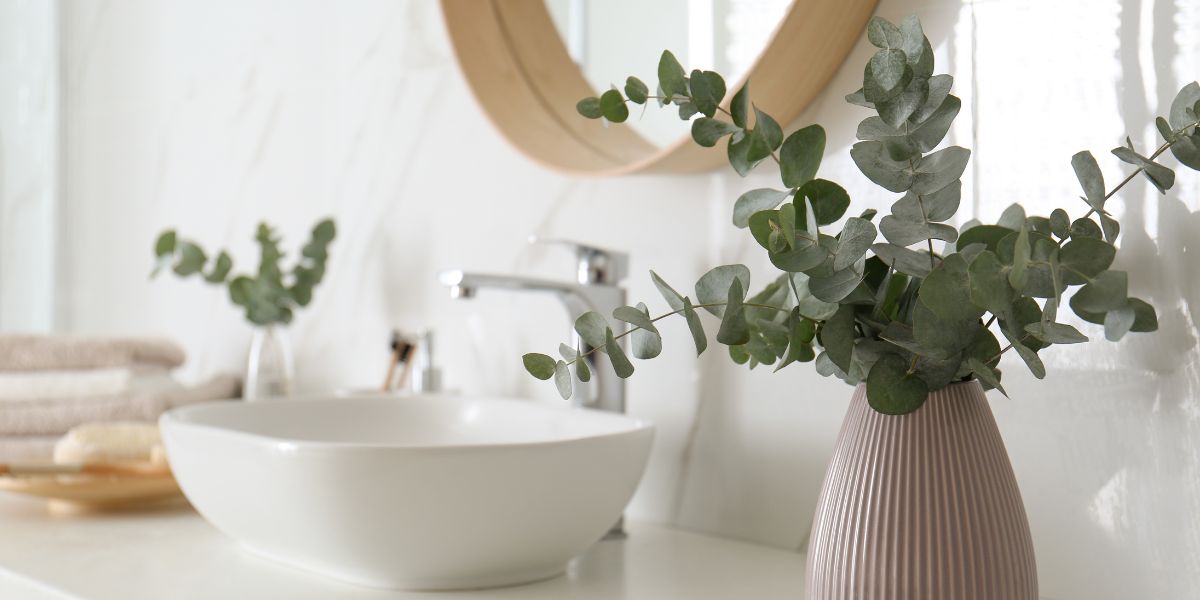
This one should be a no-brainer, but you’d be surprised how often it’s overlooked. A spotless home screams “move-in ready,” while a dirty one can send buyers running for the hills. I once walked into a showing where there were dishes piled in the sink and dust bunnies in every corner. Guess how that went? Spoiler alert: not well.
Skimping on cleaning is one of the most avoidable staging mistakes. Buyers expect a clean home, and anything less can be a major turn-off. Deep clean every nook and cranny, and don’t forget those often-missed spots like baseboards and light fixtures. A thorough cleaning not only makes your home look better but also shows buyers that you’ve taken good care of the property.
In addition to cleaning, pay attention to odors. Strong smells, whether from pets, cooking, or perfumes, can be off-putting. Neutralize any lingering odors by using air fresheners or baking soda. On the day of a showing, consider brewing a fresh pot of coffee or baking cookies to create a welcoming aroma. These small efforts can make a big difference in how buyers perceive your home.
Overloading on Furniture
Less is more. I repeat: LESS. IS. MORE. You might love your oversized sectional and collection of antique end tables, but too much furniture can make your home feel cramped. Create open, airy spaces by minimizing clutter and opting for fewer, strategically placed pieces. This will help potential buyers better appreciate the size and layout of your rooms.
Overloading on furniture is a common staging mistake that can make even the largest rooms feel small. To avoid this, remove bulky items and arrange the remaining pieces to create a sense of flow and spaciousness. Use light-colored paint on walls to reflect light and make rooms feel brighter and more expansive. Incorporate mirrors to create the illusion of depth and openness in smaller rooms.
Consider storing extra furniture or renting a storage unit during the home selling process. This will allow you to showcase the true potential of each room without overwhelming buyers with too much stuff. Remember, the goal is to highlight the space, not the furniture.
Neglecting Repairs
Picture this: a potential buyer falls in love with your beautifully staged living room, only to step into a bathroom with a leaky faucet and cracked tiles. Instant deal-breaker! Take care of minor repairs before you even think about staging. Fix that squeaky door, patch up the holes, and replace burned-out light bulbs. These small details can make a big difference in how your home is perceived.
Neglecting repairs is another staging mistake that can turn buyers away. No one wants to move into a home that needs a lot of work right off the bat. By addressing these issues beforehand, you create a sense of confidence in buyers that the home has been well-maintained.
In addition to fixing minor issues, consider updating outdated fixtures such as faucets, cabinet hardware, and light fixtures. These simple updates can give your home a more modern and polished look. If your budget allows, consider more significant updates like replacing old flooring or painting cabinets. These improvements can increase your home’s appeal and potentially boost its value.
Over-Personalizing Bedrooms
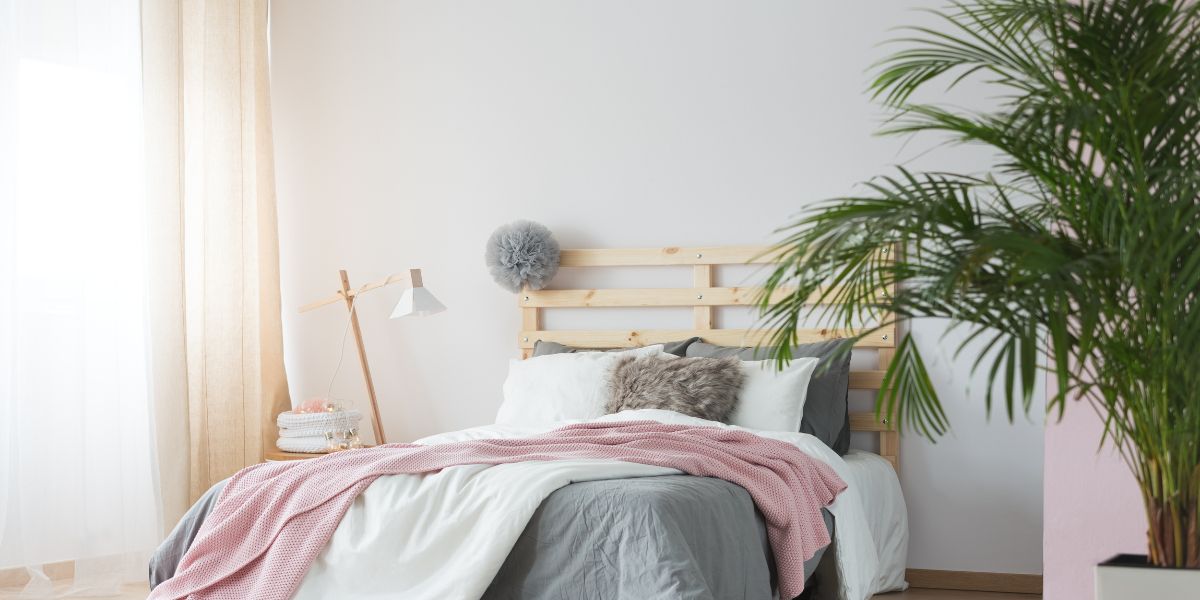
The bedrooms in your home should feel like a peaceful retreat, not a cluttered storage space. Over-personalizing these areas is a staging mistake that can make it difficult for buyers to imagine themselves relaxing in the space. Remove personal items from bedside tables and dressers to create a clean, serene environment.
Consider using neutral bedding and simple, elegant decor to enhance the room’s appeal. Light colors, soft textures, and minimal decor can make the bedroom feel more inviting. If the room is small, use mirrors and light-colored paint to create the illusion of space. Remember, the goal is to create a blank canvas where buyers can envision their own furniture and style.
Final Thoughts
Staging a home for sale is both an art and a science. By avoiding these common staging mistakes, you can create a welcoming environment that entices buyers and helps your home stand out in a competitive market. Remember, the goal is to make your home look like their future home. So, take a step back, declutter, deep clean, and make those essential repairs. You’ll thank yourself when the offers start rolling in!
Happy selling, and may your journey to closing be smooth and successful!