

Selling your home is often seen as challenging, especially for first-time sellers. However, by breaking it down step by step, the process of selling your home becomes much more manageable. You can confidently navigate the real estate market with careful planning and strategy. In this guide, we’ll explore each phase of selling a home to help you approach the task smoothly.
Evaluating Your Reasons for Selling
Before starting to sell your home, it’s essential to reflect on why you’re selling. Understanding your motivation is critical, whether due to relocation, downsizing, or upgrading. Are you seeking a quick sale, or is maximizing profit more important? Knowing your goals upfront will shape your selling strategy and guide your decisions.
Understanding the Market and Your Home’s Value
A critical early step in selling your home is understanding its market value. Research recent sales in your area and monitor current real estate trends. Overpricing your home may cause it to sit on the market longer than necessary while underpricing might lead to missed opportunities. A professional appraisal can help you set the right price and quickly attract interested buyers.
Preparing Your Home for Sale
Presentation plays a significant role in selling your home. Buyers are more likely to be drawn to a clean and well-maintained property. Start by decluttering, deep cleaning, and making minor repairs. Some homeowners even invest in professional staging to highlight their home’s best features. This step ensures that potential buyers can easily envision themselves living in the space, which boosts your chances of making a sale.
Home Staging Tips:
- Declutter: Remove personal items and excess furniture to create more space.
- Deep Clean: Make sure every surface is spotless, from windows to floors.
- Enhance Curb Appeal: First impressions matter, so tidy up the yard and ensure the exterior looks inviting.
Listing and Marketing the Property
Once your home is ready for sale, it’s time to list it on the market. Partnering with a real estate agent is highly recommended during this stage of the process of selling your home. Your agent will list your home on the Multiple Listing Service (MLS) and popular real estate websites. High-quality photos, virtual staging, and engaging descriptions are essential for drawing attention to your listing. Social media, open houses, and email campaigns can help generate more interest.
Marketing Strategies to Sell Your Home:
- High-Quality Photos: Invest in professional photography for the best results.
- Virtual Tours: Offer buyers the ability to explore your home online.
- Open Houses: These events allow buyers to view your home in person.
Receiving and Negotiating Offers
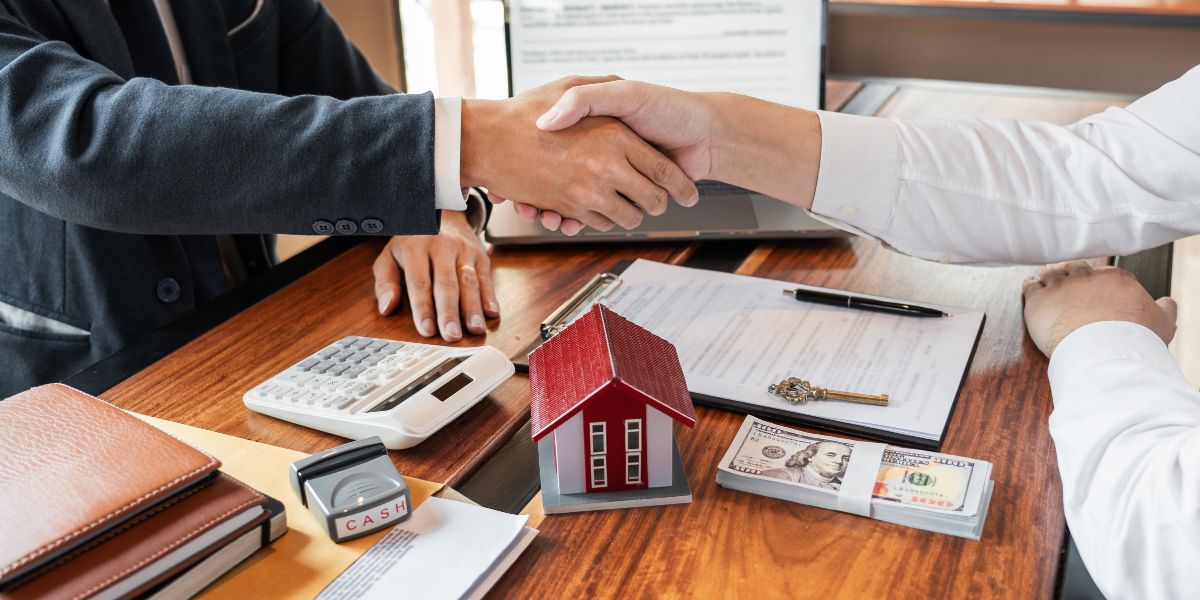
The marketing efforts will pay off once offers begin to roll in. At this stage of the process of selling your home, it’s crucial to evaluate each offer carefully. Beyond the offer price, take note of any contingencies, financing terms, and the buyer’s timeline. If multiple offers come in, your real estate agent will guide you through the negotiation process to ensure you get the best possible deal. Flexibility and clear communication are essential during this phase.
Handling Inspections and Contingencies
Once an offer is accepted, the next step is navigating the home inspection and other contingencies. Most buyers will arrange for a professional inspection, during which any issues with the property may be uncovered. The buyer may request repairs or a price adjustment depending on the findings. Flexibility and negotiation are again crucial here to keep the deal moving forward. Additional contingencies, such as the buyer securing financing or selling their property, must also be met before closing the sale.
Preparing for the Move
Before the sale progresses, it’s time to prepare for the move. The transition from one home to another can be overwhelming, so having a clear plan will make it smoother. Begin by organizing and decluttering your belongings, deciding what to keep, donate, or discard. Packing early and labeling boxes by room will make unpacking easier. Hiring a reputable moving company is also essential to safely transport your belongings.
Moving Preparing Tips:
- Start Early: Begin packing non-essential items as soon as possible.
- Declutter: Use this opportunity to donate or sell items you no longer need.
- Hire Movers: Research and hire a moving company ahead of time to avoid last-minute stress.
- Essentials Box: Pack a box with essentials like toiletries, clothes, and important documents to keep handy during the move.
Closing the Sale
The final phase in the process of selling your home is closing the deal. This stage involves signing the necessary paperwork to transfer ownership to the buyer. Before closing, the buyer will typically conduct a final walk-through to ensure everything is in order. Once the documents are signed and funds are transferred, you’ll hand over the keys and complete the sale. The closing process may seem complex, but with the help of your agent and legal professionals, you’ll complete it smoothly.
Conclusion
Selling your home can initially seem overwhelming, but understanding each step allows you to navigate it confidently. Every phase is crucial to the journey, from evaluating your reasons for selling to listing, marketing, and closing the sale. With preparation and strategic decisions, you’ll find that selling your home doesn’t have to be as stressful as it might seem.
If you’re considering selling your home, take the time to understand the market, set clear goals, and work with professionals who can guide you through each step.