
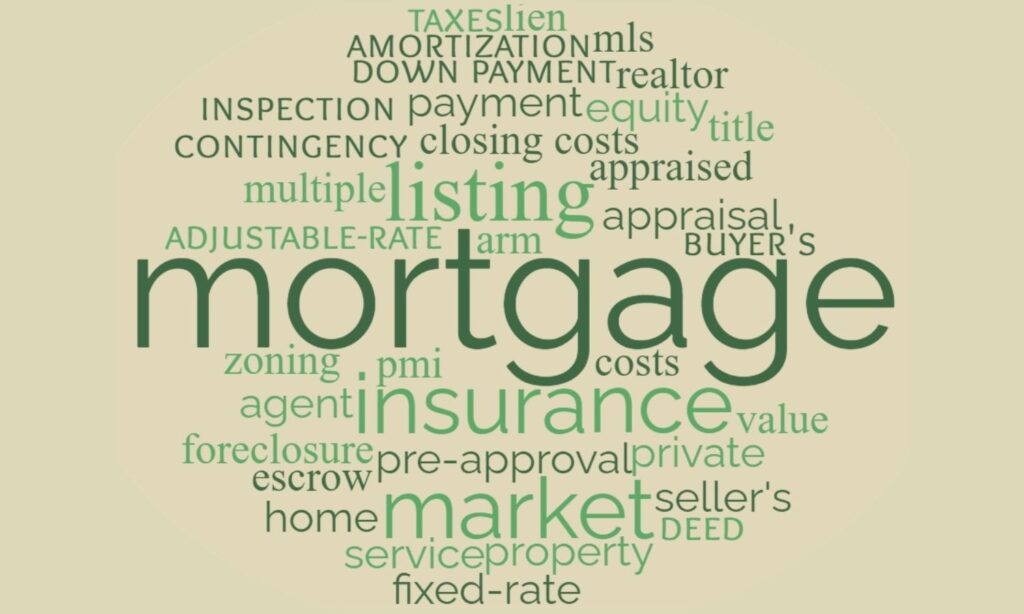
Entering the real estate market for the first time can feel like learning a new language. With so many terms and processes to understand, it’s easy to feel overwhelmed. Whether buying your first home or selling a property, knowing the correct terminology is essential for making confident decisions. We compiled a list of the most important real estate terms everyone should know to help you get started. Mastering these real estate terms will make the process smoother and empower you to ask the right questions and avoid common pitfalls.
1. Appraisal
An appraisal is an assessment of a property’s value conducted by a licensed appraiser. Lenders often require an appraisal to ensure the property is worth the borrowed amount. This ensures they aren’t lending more than the property’s actual market value.
2. Closing Costs
Closing costs refer to the fees incurred during the finalization of a real estate transaction. These fees include title insurance, attorney fees, recording fees, and other administrative expenses. Budgeting for these costs when planning to buy or sell a home is essential, as they typically range from 2% to 5% of the property’s purchase price.
3. Down Payment
The down payment is the initial amount a buyer pays toward the purchase price of a home. The amount required varies, but most lenders prefer at least 20% of the home’s purchase price to avoid Private Mortgage Insurance (PMI). Lower down payments are possible, but this often results in higher monthly payments.
4. Escrow
Escrow is a financial arrangement where a neutral third party holds funds or important documents until specific conditions of the sale are met. This protects the buyer and seller by ensuring that money or property changes hands once all contract terms are fulfilled.
5. Fixed-Rate Mortgage
A fixed-rate mortgage has a constant interest rate throughout the loan’s term. This means the borrower’s monthly payments remain consistent over the life of the loan, providing stability and predictability.
6. Home Inspection
A home inspection examines a property’s condition, typically conducted before the sale’s closing. Inspectors check for structural issues, safety concerns, and necessary repairs, giving buyers a clear understanding of the home’s condition before finalizing the purchase.
7. Listing Agent
The listing agent is the real estate professional representing the seller in a property transaction. They market the home, negotiate offers, and handle the closing process. Their goal is to secure the best possible deal for the seller.
8. Mortgage
A mortgage is a loan used to purchase real estate secured by the property. The borrower agrees to repay the loan with interest over a specified period, usually 15 to 30 years. Failure to repay the loan can result in foreclosure.
9. Pre-Approval
Pre-approval is a lender’s conditional commitment to provide a loan to a borrower based on preliminary financial information. It shows sellers that the buyer is serious and financially capable of purchasing the home, making it a key step in homebuying.
10. Private Mortgage Insurance (PMI)
PMI protects the lender if the borrower defaults on the mortgage. Lenders typically require it when the buyer’s down payment is less than 20% of the home’s value. PMI increases the cost of the loan, but borrowers can eliminate it once they build up enough equity.
11. Buyer’s Market
A buyer’s market occurs when there are more homes for sale than buyers. This gives buyers more negotiating power as sellers compete for fewer interested parties. Prices are lower in a buyer’s market, making it an ideal time to purchase a home.
12. Seller’s Market
In contrast to a buyer’s market, a seller’s market occurs when demand exceeds supply, meaning there are more buyers than available homes. This gives sellers the advantage, as properties sell quickly, often at or above the asking price.
13. Contingency
A contingency is a condition that must be met for a real estate contract to become binding. Common contingencies include the buyer securing financing, the property passing an inspection, or selling the buyer’s current home. If contingencies are not met, the deal can be canceled without penalty.
14. Equity
Equity refers to the difference between the market value of a property and the amount owed on the mortgage. As you pay down your mortgage and the value of your home increases, your equity grows. Homeowners can use equity to refinance or take out loans for significant expenses.
15. REALTOR
A REALTOR is a licensed real estate professional member of the National Association of REALTORS (NAR). Realtors must adhere to a strict code of ethics, offering buyers and sellers additional assurance in their transactions.
16. Title Insurance
Title insurance protects against losses resulting from defects in a property’s title, such as outstanding liens or legal disputes over ownership. This one-time fee is typically paid at closing and ensures the buyer has a clear title to the property.
17. Adjustable-Rate Mortgage (ARM)
An adjustable-rate mortgage’s interest rate can fluctuate over time based on market conditions. While initial rates may be lower than those of fixed-rate mortgages, they can increase or decrease during the loan’s term, making payments unpredictable.
18. Amortization
Amortization refers to gradually paying off a loan through scheduled payments over time. Each payment covers a portion of both the principal (the original loan amount) and interest. Over time, more of the payment goes toward the principal.
19. Deed
A deed is a legal document that transfers property ownership from the seller to the buyer. It must be signed and recorded to bind and ensure the buyer’s ownership rights legally.
20. Foreclosure
Foreclosure is the legal process by which a lender takes possession of a property due to the borrower’s failure to make mortgage payments. It can be lengthy and complex, often resulting in the property being sold at auction.
21. Lien
A lien is a legal claim against a property, typically used as security for a debt. Liens must be cleared before a property can be sold. Common types of liens include tax liens, mechanic’s liens, and mortgage liens.
22. Multiple Listing Service (MLS)
The Multiple Listing Service (MLS) is a database real estate agents use to share property listings. It allows agents to access detailed information about available properties and collaborate with other agents to find buyers or homes for their clients.
23. Property Taxes
Local governments levy property taxes based on a property’s assessed value. These taxes fund public services such as schools, roads, and emergency services. Property owners must pay taxes annually.
24. Zoning
Local governments use zoning regulations to dictate land use in specific areas. Local governments enforce zoning laws to control property development and maintain the character of neighborhoods. Zoning laws can affect everything from home renovations to building new structures.
25. Appraised Value
Appraised value refers to the value assigned to a property by a licensed appraiser. Lenders often use this value to determine how much they are willing to lend. The appraised value may differ from the property’s market value, which is influenced by buyer demand.

Conclusion
Learning these common real estate terms helps you take control of the home buying or selling process. When you understand the terminology, you’ll confidently navigate transactions, avoiding costly mistakes and making informed decisions. From securing financing to negotiating contracts, knowing the language ensures smoother communication with real estate agents, lenders, and other professionals involved.
Arming yourself with this knowledge empowers you to approach every step of the real estate journey with clarity and purpose. Keep this guide handy, and you’ll find that understanding the critical real estate terms makes a big difference in achieving a successful, stress-free transaction.
So, whether planning your first home purchase or getting ready to list your property, keep this glossary handy as you embark on your real estate journey. Knowledge is power, and understanding these real estate terms will help you take control of the process, ensuring a seamless and stress-free experience.